
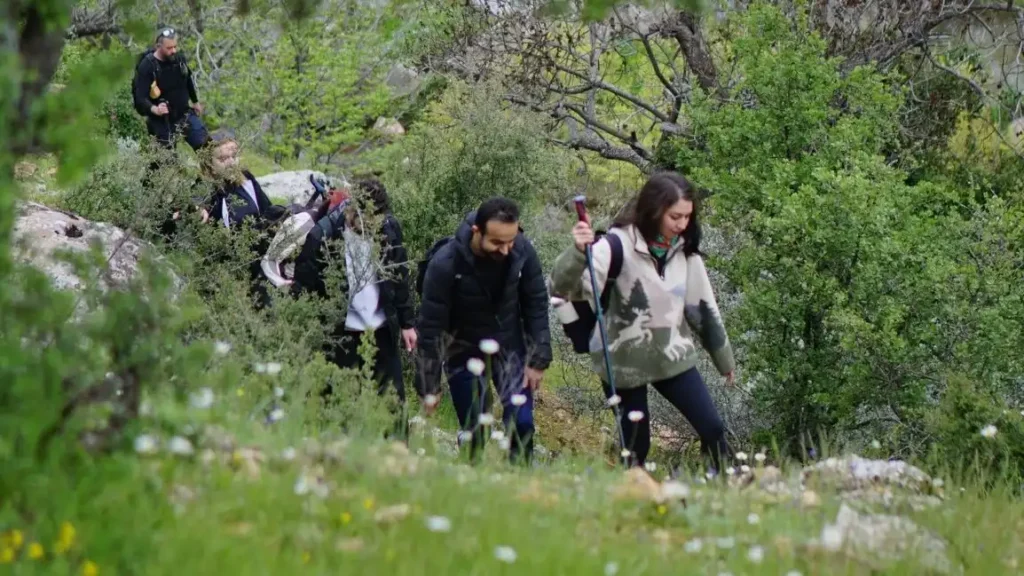
Lombok hiking is not limited to a multi-day climb on Mount Rinjani. Across the island, shorter trails lead to highland viewpoints, rice terraces, waterfalls and coastal headlands. Some make an accessible half-day outing; others involve steep ground, river crossings or a full day with a local guide.
That variety gives you more ways to explore Lombok on foot. You can watch sunrise above Sembalun’s patchwork fields, walk through Tetebatu’s cultivated landscape, cool down beside a waterfall or follow a grassy ridge above the Indian Ocean. These walks also work well before or after a longer trek, provided you allow enough recovery time.
This guide focuses on walks outside the main Mount Rinjani trekking routes and helps you choose an experience that fits your time, fitness and location.
Quick Guide to Hiking Areas in Lombok
| Area | Landscape | General effort | Suits travellers who want |
|---|---|---|---|
| Pergasingan Hill, Sembalun | Steep hillside and wide valley views | Moderate to strenuous | A high viewpoint without a multi-day trek |
| Bukit Selong, Sembalun | Short hill and farmland panorama | Easy to moderate | A brief scenic walk |
| Tetebatu | Rice fields, village paths and waterfalls | Easy to moderate | A guided cultural and nature walk |
| Senaru waterfalls | Forest paths, steps and river terrain | Moderate | Waterfalls near North Lombok |
| Benang Stokel and Benang Kelambu | Forest and waterfall trails | Easy to moderate | A cooler Central Lombok outing |
| South Lombok hills | Open coastal ridges | Easy to moderate | Sea views, sunrise or sunset |
These ratings are only a starting point. Rain, heat, trail maintenance and the exact route can change the effort required. Ask locally about current conditions before setting out.
1. Pergasingan Hill: A High View Above Sembalun
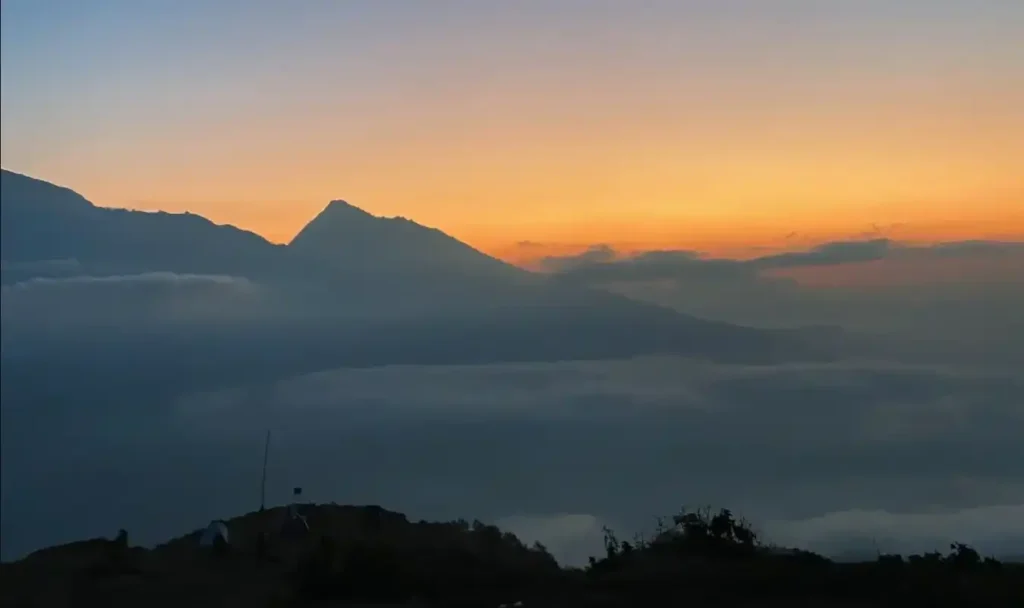
Pergasingan Hill overlooks the Sembalun valley in East Lombok. Its elevated ridge offers broad views of farmland, surrounding hills and the Rinjani massif. It is a popular alternative for travellers who want a substantial climb but do not have the time or preparation for a national-park expedition.
The trail is shorter than a Rinjani trek, but it should not be dismissed as an easy stroll. Sections are steep, exposed to sun and potentially dusty or slippery depending on the season. An early start can reduce heat exposure and may give clearer morning views.
Pergasingan suits reasonably fit walkers who can manage sustained uphill movement. Wear shoes with good traction, carry enough water and use a local guide if you do not know the trail. Conditions on open hills can change quickly, and navigation is more difficult in cloud or darkness.
2. Bukit Selong: A Short Sembalun Viewpoint Walk
Bukit Selong provides a gentler way to see the Sembalun landscape. From the hill, geometric fields and village scenery spread across the valley beneath the surrounding highlands.
This is a useful choice if you have limited time, are travelling with mixed fitness levels or want an easier activity on a rest day. The walk is relatively short, but steps, uneven surfaces and midday heat can still matter. Morning and late afternoon generally provide softer light and more comfortable temperatures.
Combine the viewpoint with a respectful village visit rather than treating the farmland as a photo set. Stay on established paths, ask before photographing people and avoid entering cultivated areas without permission.
3. Tetebatu: Rice Fields, Village Paths and Waterfalls
Tetebatu lies on the southern side of the Rinjani landscape and offers a different style of walking. Instead of pursuing a summit, visitors follow paths through rice fields, gardens, forest edges and villages. Short routes can include a local waterfall such as Sarang Walet, while longer variations connect more of the rural landscape.
The experience is as much about place as exercise. A knowledgeable local guide can explain crops, irrigation and village life while choosing paths suited to recent rain and agricultural activity. This also helps visitors avoid accidentally crossing private or sensitive land.
Tetebatu is a strong option for beginners and travellers who prefer a slower pace. Paths can be muddy and narrow, so sandals with smooth soles are a poor choice. Use grippy footwear, take rain protection and expect the route to change with field conditions.
4. Sendang Gile and Tiu Kelep: Waterfall Walking Near Senaru
Senaru is widely known as a gateway to northern Rinjani, but it is also a base for waterfall walks. Sendang Gile and Tiu Kelep sit within a lush landscape below the mountain and are often visited in the same outing.
Sendang Gile is generally the more accessible stop. Continuing towards Tiu Kelep involves more walking and may include wet, uneven or river-adjacent terrain. Water levels and safe access can change after rain, so local guidance is important.
This outing suits walkers who want forest atmosphere and waterfalls without camping overnight. Bring footwear that can handle wet surfaces, protect electronics from spray and avoid standing beneath unstable slopes or powerful water flow. If officials or guides advise against continuing, turn back.
5. Benang Stokel and Benang Kelambu: Central Lombok Waterfall Trails
Benang Stokel and Benang Kelambu are waterfall destinations around Aik Berik in Central Lombok. Forest paths connect viewing areas, and the shade makes this region appealing when the coast feels hot.
The precise walking plan depends on which falls and access points you include. A short visit may be straightforward, while a longer circuit can add inclines, steps and slippery ground. Arrange local guidance if you want to explore beyond the principal visitor paths.
Waterfall environments deserve caution even when the walk looks easy. Mossy rock can be extremely slick, rainfall can affect streams, and branches or stones may fall in steep terrain. Stay behind barriers and use recognised paths rather than creating shortcuts.
6. Bukit Merese and the South Lombok Coastal Hills
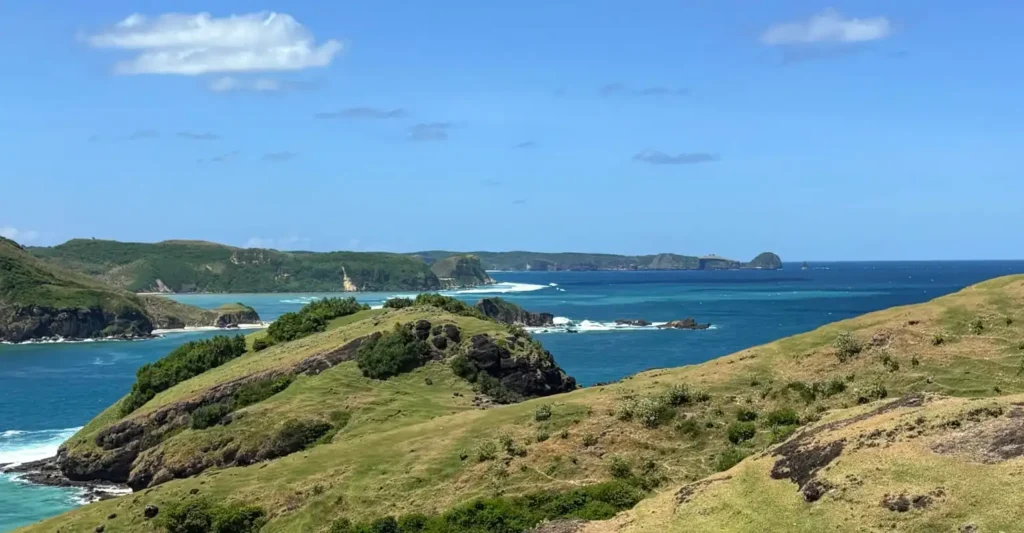
South Lombok offers a completely different hiking landscape. Around Kuta and Mandalika, open hills rise above beaches and bays. Bukit Merese is one of the best-known viewpoints, with grassy ridges and wide sea views.
These outings are closer to scenic walks than mountain treks, making them easy to add to a beach itinerary. However, there is often little shade. Sun exposure, heat and dehydration are more significant than altitude, and cliff edges require care in strong wind or low light.
Go early or later in the day, carry water and keep a safe distance from exposed edges. Some coastal hills cross grazing land or areas used by local communities, so follow marked access and respect any entry instructions.
How to Choose the Right Lombok Hike
Start with the experience you want rather than a list of famous names.
Choose a Sembalun hill if you want elevation and mountain views
Pergasingan delivers a more demanding climb, while Bukit Selong is a shorter viewpoint outing. Both give context to the scale of the Rinjani landscape without entering the principal multi-day trekking routes.
Choose Tetebatu if you want landscape and local life together
A village walk works well for travellers interested in farming, plants and everyday rural scenery. It is also easier to adjust the distance than a fixed summit trail.
Choose a waterfall walk if you prefer shade and water
Senaru and Aik Berik provide strong options, but wet trails demand suitable footwear. Waterfall access is especially sensitive to rainfall, so check conditions on the day.
Choose South Lombok if you are based near Kuta
Coastal hills are convenient, visually different from the island’s interior and suitable for a shorter outing. Plan around the sun and avoid exposed edges after dark.
Guided or Independent Hiking?
Some short, established viewpoints can be visited independently when access is open and the route is clear. A local guide becomes more valuable when the walk crosses village land, enters forest, involves several waterfalls or starts before sunrise.
A good guide does more than point out a path. They can adjust the route to weather, explain local land use, help communicate with residents and identify places where access has changed. Hiring locally also keeps more of the value of your visit in the community.
For Mount Rinjani itself, separate national-park rules apply. Do not use the accessibility of a coastal hill or village walk as a guide to what is permitted on Rinjani. Read the complete Mount Rinjani guide before planning a national-park trek.
What to Carry on a Lombok Day Hike
Your kit should match the terrain, but a useful baseline includes:
- drinking water and a reusable bottle;
- sun protection, including a hat and sunscreen;
- shoes with enough grip for the route;
- a light rain layer;
- insect repellent for forested areas;
- a small first-aid kit and personal medication;
- a dry bag or waterproof pouch for valuables; and
- a bag for carrying all rubbish out.
For dawn or sunset walks, add a head torch. A phone light is not a reliable substitute on uneven ground. For longer routes, carry food and confirm where safe drinking water is available rather than assuming you can refill.
Weather, Timing and Trail Conditions
Lombok’s landscapes respond quickly to weather. Rain can make rice-field paths, stone steps and waterfall trails slippery. Prolonged dry conditions can make open hills dusty and increase fire risk. At the coast, heat and strong sun can turn a short walk into a tiring one.
Check the local forecast, but also ask your accommodation, guide or site manager about conditions at the trail itself. A forecast for Kuta may say little about rain in Tetebatu or cloud around Sembalun.
Start with enough daylight to finish safely. If a route is unfamiliar, do not rely on an online time estimate: walking speed varies and trail information can be outdated.
Responsible Hiking in Lombok
Short walks have an environmental footprint too. Carry out every item you bring, refill bottles instead of buying multiple small ones and avoid leaving food for monkeys or other animals.
Respect farms, homes and sacred places. Use established paths, close gates if a guide asks you to and keep drones away from people unless you have clear permission. At waterfalls, avoid soaps and shampoos that can pollute the water.
Pay official entrance or community fees where required and ask for clarification if the system is unclear. These contributions can support trail maintenance and local management when collected through recognised channels.
Can You Combine Lombok Hiking With Mount Rinjani?
Yes, but schedule carefully. A gentle Tetebatu or coastal walk can introduce the island before a Rinjani trek. A steep hill climb immediately before your mountain start may leave your legs tired, while a waterfall outing directly after the trek may be uncomfortable if you are sore.
Allow recovery time and keep the final pre-trek day light. If Rinjani is your priority, protect your energy for it. After the trek, decide based on how your knees and feet actually feel rather than a fixed holiday schedule.
Frequently Asked Questions
Do I need to climb Mount Rinjani to hike in Lombok?
No. Lombok has short coastal walks, highland viewpoints, village paths and waterfall trails outside the main Rinjani trekking experience.
What is a good Lombok hike for beginners?
Bukit Selong, a guided Tetebatu village walk or a short South Lombok hill walk can suit beginners. Actual difficulty depends on weather, route choice and individual mobility.
Where can I hike near Kuta Lombok?
The coastal hills around Kuta and Mandalika, including Bukit Merese, are convenient options. They are exposed to sun, so early morning or late afternoon is usually more comfortable.
Are Lombok waterfall trails safe in the rain?
Heavy rain can make paths slippery and raise water levels. Check locally before going and follow closures or guide advice. Never cross fast-moving water simply because other visitors are doing so.
What is the difference between Lombok hiking and a Rinjani trek?
Most Lombok day hikes take a few hours and require no camping. A Rinjani trek is a regulated, strenuous national-park journey generally organised over multiple days with guides and camping support.
Explore Lombok at Your Own Pace
Lombok rewards travellers who look beyond a single summit. A demanding Sembalun hill, a slow Tetebatu walk, a forest waterfall and an easy coastal ridge each reveal a different side of the island.
Choose according to your location and ability, confirm current access locally and leave room for weather to change the plan. If you want to combine these walks with a Mount Rinjani itinerary, contact Rinjani Trip with your travel dates and hiking background so the activities can be arranged in a sensible order.